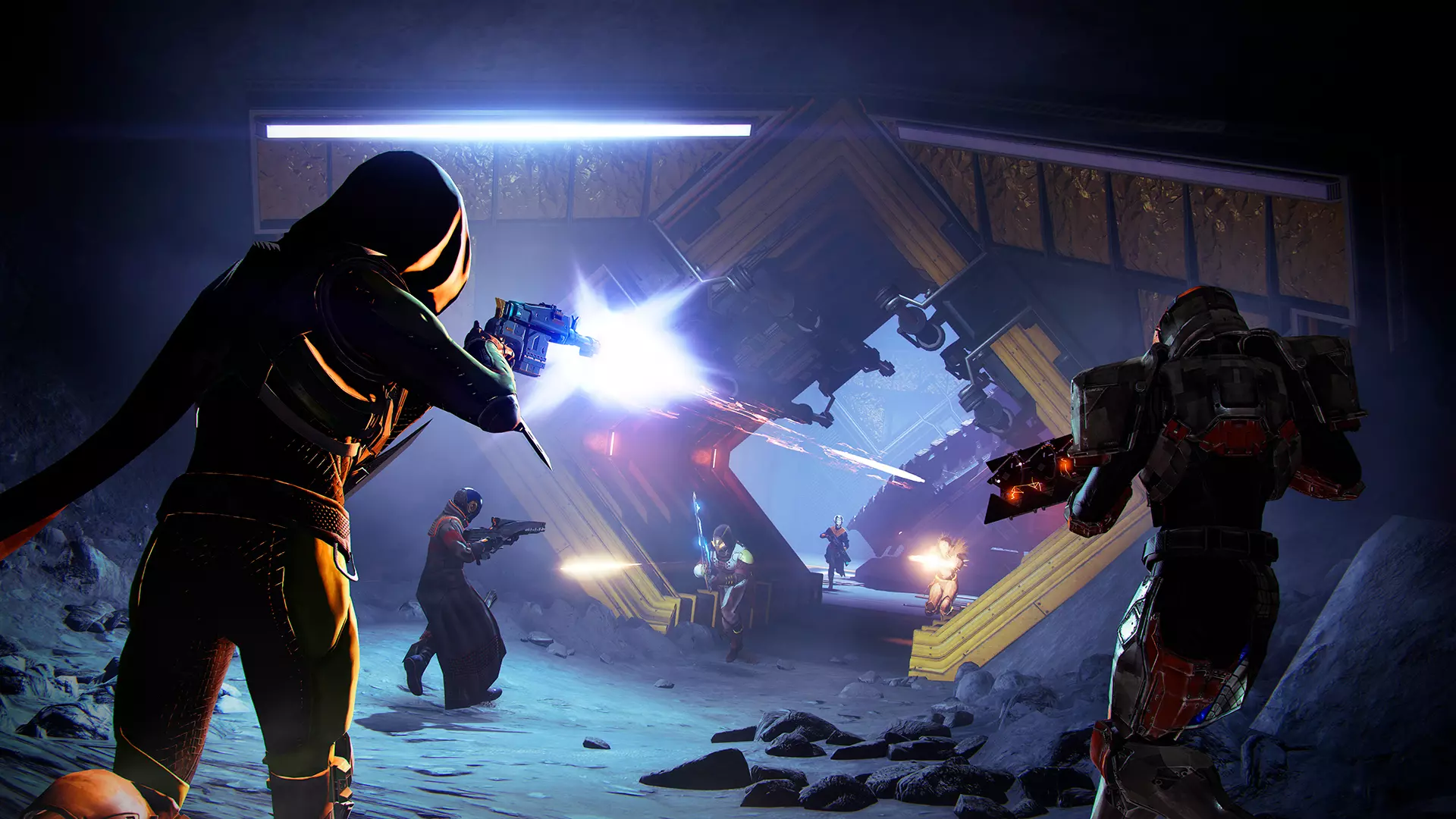

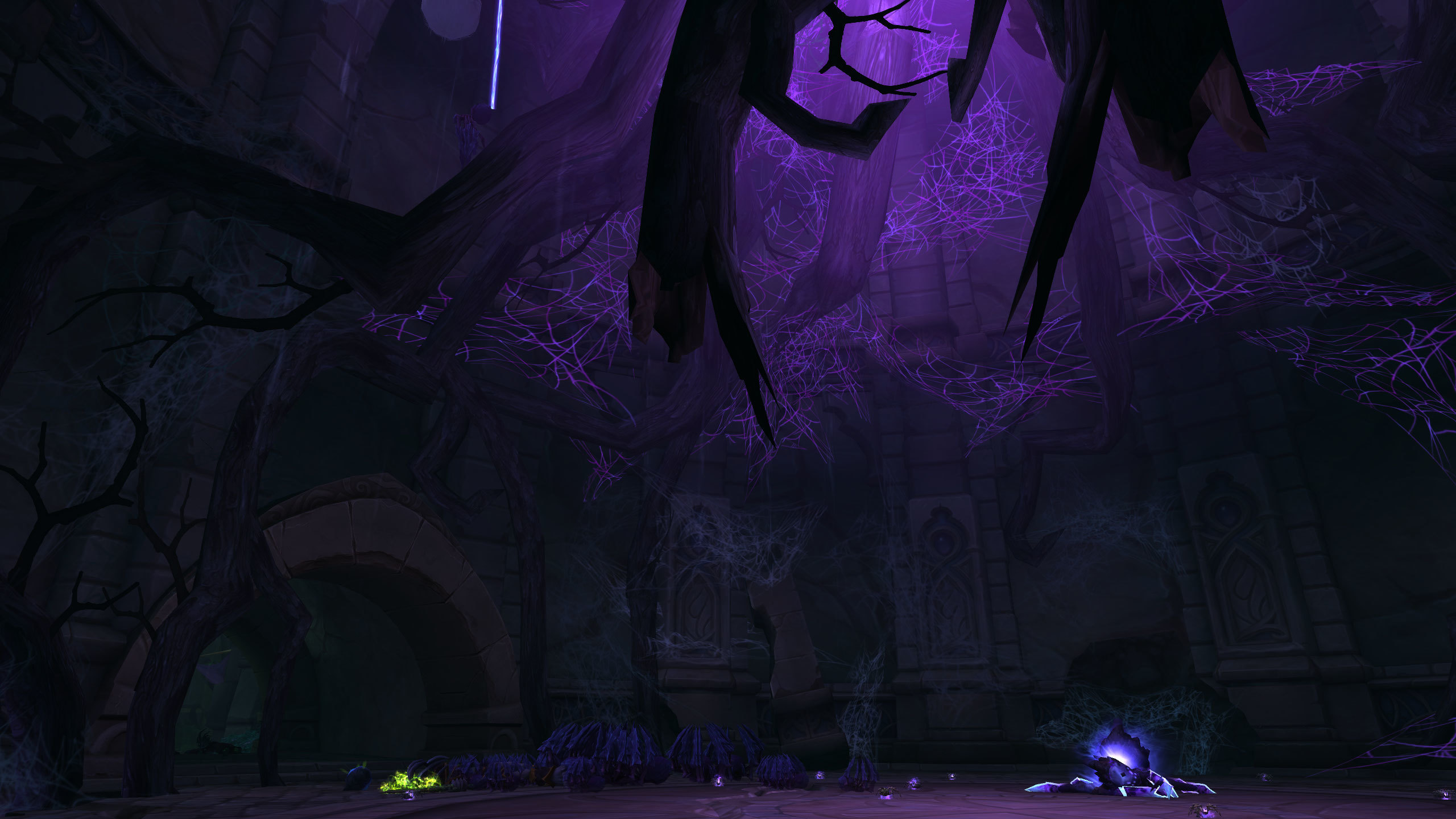
Modern dungeon design increasingly rewards players who treat movement as a core skill rather than a reactionary response.
Encounters are built to discourage standing still, using environmental hazards, shifting threat zones, and positional mechanics that demand constant adjustment. Success now comes from reading space and moving with intent, not from holding a fixed position.
Threat Zones Replace Safe Spots
Many dungeon encounters remove the concept of permanent safe areas. Ground effects, frontal attacks, and rotating hazards force groups to reposition frequently.
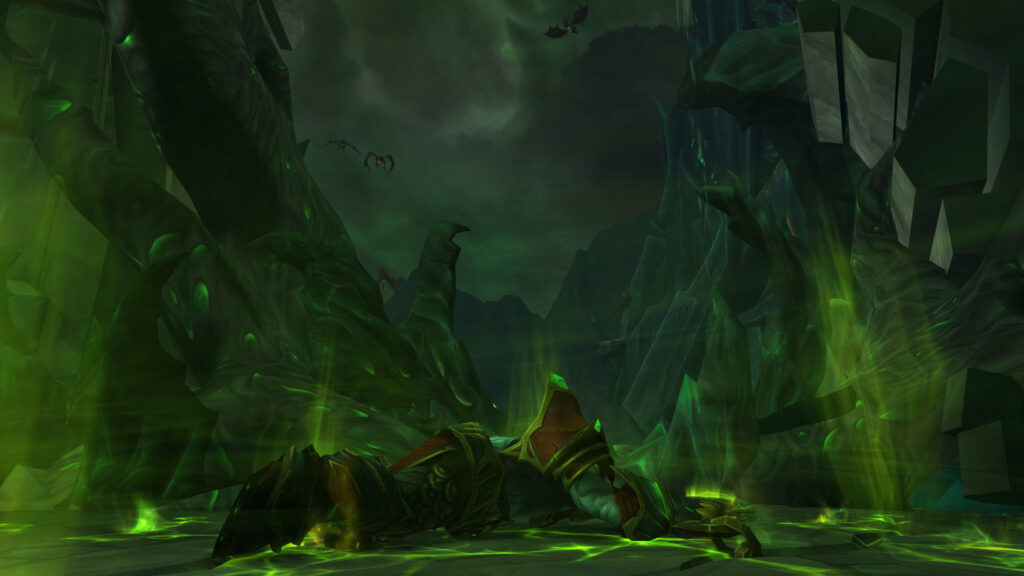
Players who anticipate these patterns move early and preserve uptime, while those who react late lose control and efficiency.
Movement Preserves Momentum
Strategic movement is about maintaining flow rather than avoiding damage alone. Clean repositioning keeps pulls compact, prevents accidental aggro, and maintains line-of-sight for healers.
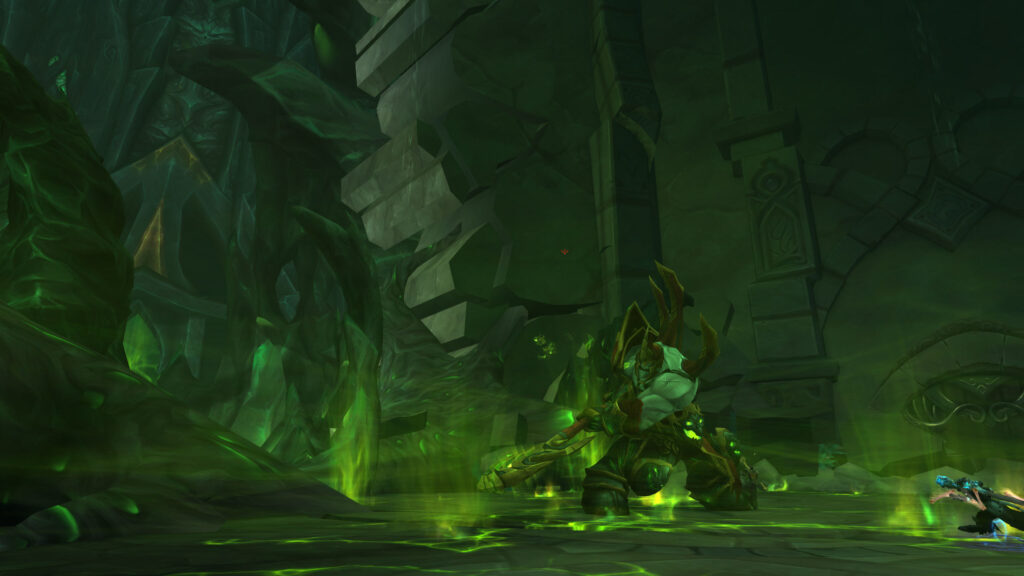
Poor movement, by contrast, fragments the group and creates unnecessary risk.
Positioning Enables Cleaner Pulls
Pull success often depends on where enemies are fought, not just how. Dragging packs away from patrols, rotating around obstacles, or repositioning before ability overlaps reduces chaos. Movement choices before combat frequently determine outcomes during it.
| Movement Decision | Primary Benefit | Dungeon Impact |
|---|---|---|
| Pre-positioning | Early control | Smoother pulls |
| Rotational movement | Hazard avoidance | Higher uptime |
| Group cohesion | Healer coverage | Reduced deaths |
| Terrain usage | Threat isolation | Lower risk |
Static Play Becomes a Liability
Standing still often leads to compounded damage, missed interrupts, or positioning errors during overlaps. Dungeons punish immobility by stacking consequences quickly.
Players who remain flexible adapt smoothly as conditions change.
Conclusion
Dungeon design now encourages strategic movement over static play by embedding risk into space itself.
Mastery comes from moving with purpose, preserving momentum, and choosing where fights happen. In modern dungeons, smart movement is a primary form of defense and control.
Leave a Reply