


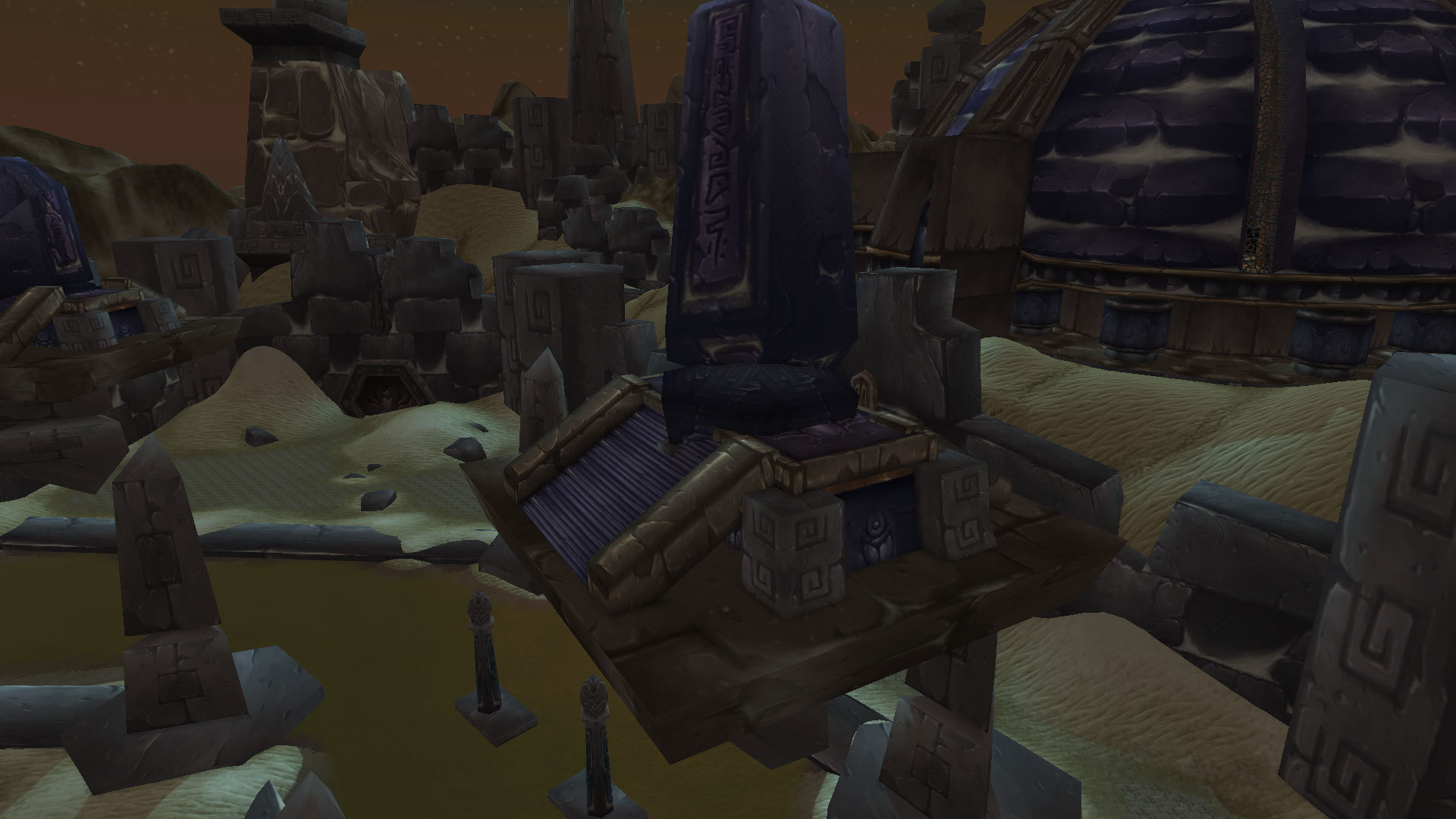
The challenges of 40-man raids in Vanilla World of Warcraft were monumental, requiring not just skill but also precise group composition and roster management. Players faced the daunting task of coordinating large teams, each with specific roles and responsibilities. The complexity of boss mechanics and the necessity for synergy among diverse classes added layers of difficulty. Understanding these factors is crucial for appreciating the intricacies of Vanilla raiding and its impact on player experience.
What Were the Key Challenges in 40-Man Raids?
The primary challenges in 40-man raids included class balance, coordination, and the complexity of boss mechanics, all of which demanded meticulous planning and execution.
In Vanilla WoW, the sheer size of raid groups meant that each player’s class and role had to be carefully considered to ensure optimal performance. The need for specific classes to fulfill essential roles, such as tanks, healers, and damage dealers, created a rigid structure that could easily fall apart if not executed correctly. The intricacies of boss encounters further complicated this, as many required precise timing and coordination among a large number of players. The following table outlines some of the critical metrics that defined the challenges faced by raiders in Vanilla WoW.
| Boss Name | Required Classes | Key Mechanics | Raid Size |
|---|---|---|---|
| Ragnaros | Warriors, Priests, Mages | Knockbacks, Adds | 40 |
| Onyxia | Warlocks, Rogues, Hunters | Breath, Whelps | 40 |
| Nefarian | Paladins, Druids, Shamans | Class Calls, Adds | 40 |
How Did Class Composition Affect Raid Success?
Class composition was critical in Vanilla raids, as each class brought unique abilities essential for overcoming specific boss mechanics.
The balance of classes in a raid group directly influenced the overall effectiveness of the team. For instance, having a sufficient number of healers was vital for sustaining the raid during intense damage phases, while tanks were necessary to absorb damage and control boss positioning. The synergy between classes also played a significant role; for example, a combination of Warlocks and Mages could maximize damage output through coordinated spell casting. Furthermore, certain encounters were designed to exploit specific class strengths or weaknesses, making it imperative for raid leaders to analyze and adjust their group composition accordingly.
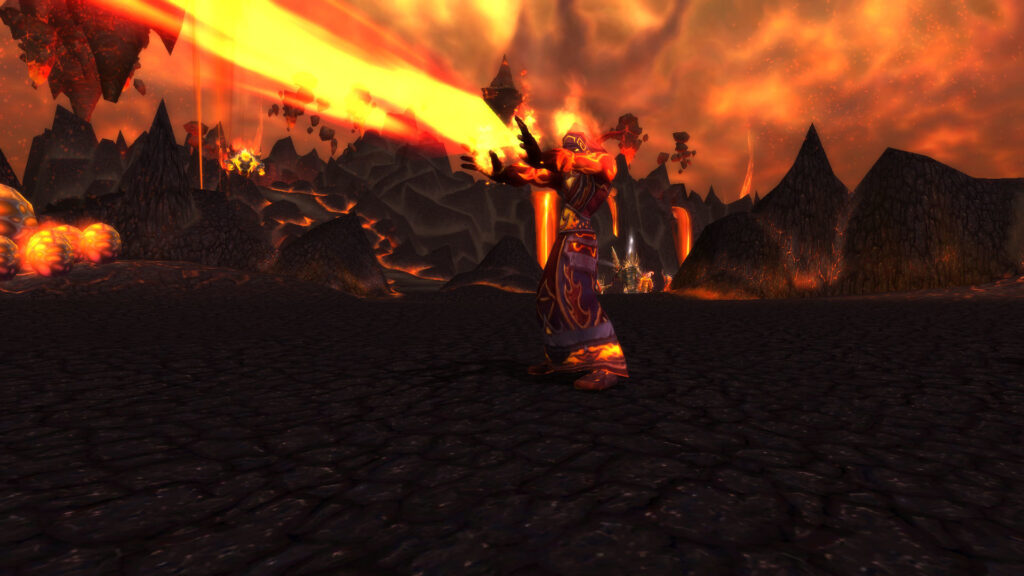
Mechanically, each class had a distinct role defined by their abilities and talents. For example, Warriors were the primary tanks due to their high armor and threat generation, while Priests provided essential healing through spells like Greater Heal and Power Word: Shield. The need for crowd control was also a factor; classes like Mages could freeze enemies, allowing for better management of adds during boss fights. This intricate web of dependencies meant that a poorly composed raid could lead to failure, as the lack of a crucial class could hinder the group’s ability to adapt to the dynamic challenges posed by bosses.
What Steps Were Necessary for Effective Raid Preparation?
Effective raid preparation involved careful planning, class selection, and strategy development to ensure all bases were covered for each encounter.
Preparation for a 40-man raid required significant effort from both raid leaders and participants. First, a thorough analysis of the encounter mechanics was essential, as understanding the specific challenges posed by each boss could dictate the necessary class composition. Second, assembling a roster of players with the right classes and gear was critical; this often meant recruiting specific players who excelled in their roles. Third, developing a strategy that included positioning, cooldown management, and communication protocols was vital for success. Lastly, conducting practice runs or “trash clears” before the main event helped the team to familiarize themselves with the mechanics and build synergy.
- Analyze the boss mechanics to identify required classes and roles.
- Recruit players with the necessary classes and optimal gear for their roles.
- Develop a detailed strategy that outlines positioning and cooldown usage.
- Conduct practice runs to build team synergy and familiarize players with mechanics.
What Are the Critical Parameters for Boss Encounters?
Critical parameters for boss encounters include understanding mechanics, timing, and player positioning, which are essential for successful execution.
Each boss encounter in Vanilla WoW had unique mechanics that required players to adapt their strategies accordingly. For instance, Ragnaros’s knockback mechanics necessitated precise positioning to avoid sending players into lava, while Nefarian’s class calls required immediate reactions from specific classes to mitigate damage. Understanding these parameters was crucial, as failure to comply could lead to rapid raid wipes. Moreover, the timing of abilities and cooldowns played a significant role; for example, healers needed to synchronize their healing spells during critical damage phases to keep the raid alive.
Advanced strategies often involved using specific abilities at precise moments. For example, during Onyxia’s breath attack, players needed to spread out to minimize damage, while tanks had to ensure they maintained threat on the boss. Additionally, communication was key; using voice chat or macros to alert players of impending mechanics could mean the difference between success and failure. Ultimately, mastering these critical parameters required practice and coordination, as even minor mistakes could lead to catastrophic results.
What Troubleshooting Strategies Were Common in Vanilla Raiding?
Troubleshooting strategies in Vanilla raiding involved identifying and addressing common issues related to class synergy, mechanics, and player performance.
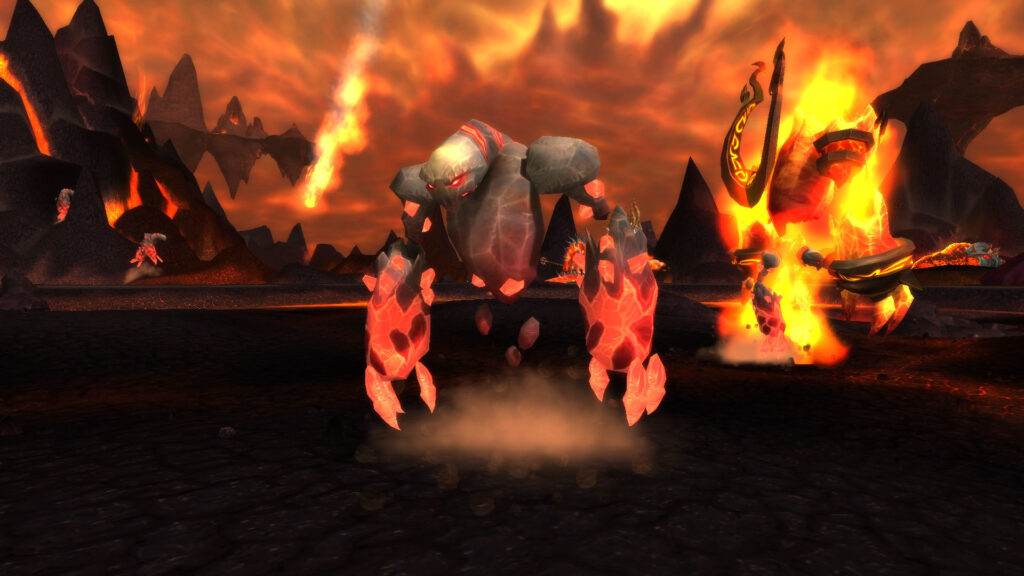
Common issues in 40-man raids often stemmed from miscommunication or lack of understanding of mechanics. For instance, if a tank failed to pick up adds during a boss fight, it could lead to chaos and wipes. To mitigate these issues, raid leaders often implemented troubleshooting protocols, such as assigning specific players to call out mechanics or using visual cues to alert others. Additionally, reviewing logs after encounters allowed teams to identify weaknesses and adjust strategies accordingly. This iterative process of learning from failures was essential for improving overall performance.
What Future Trends Can Be Expected in Large-Scale Raiding?
Future trends in large-scale raiding may focus on reducing group sizes and enhancing class balance to streamline encounters and improve player experience.
As the gaming landscape evolves, the challenges of large-scale raiding are likely to shift. Developers may prioritize smaller raid sizes to enhance player engagement and streamline coordination. This could lead to a more balanced approach to class composition, as fewer players would mean a greater emphasis on individual performance. Additionally, future expansions may introduce mechanics that allow for more dynamic interactions between classes, fostering a more cooperative environment.
Leave a Reply