
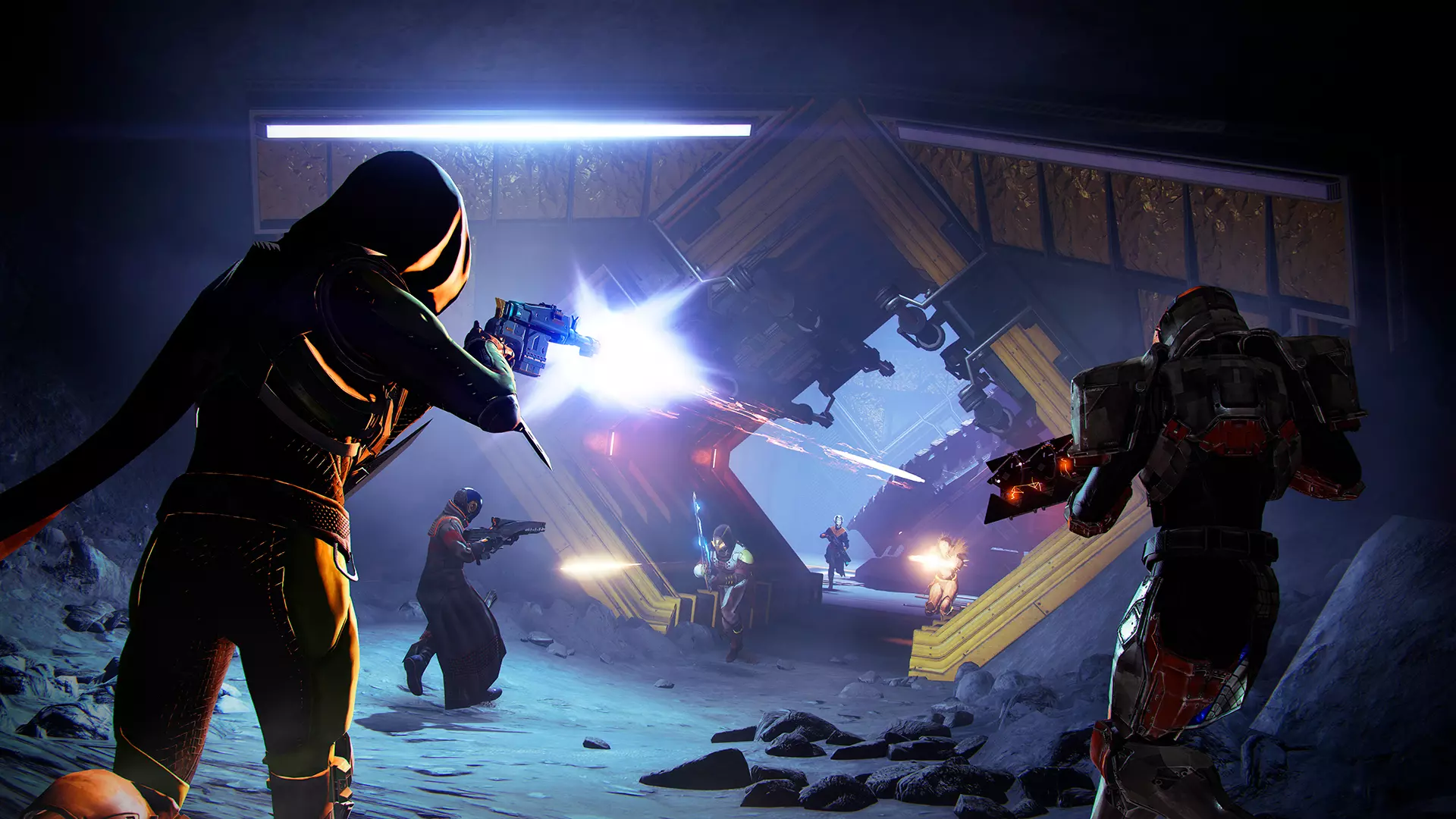


Raid encounters are designed with layered learning curves that naturally distinguish progression-focused teams from casual groups.
While both may face the same mechanics, how quickly patterns are recognized, adapted to, and executed determines long-term success. The gap is defined less by gear and more by how teams approach learning itself.
Early Pulls Reveal Learning Efficiency
In the opening pulls of a new encounter, progression teams prioritize information gathering. They identify trigger points, failure conditions, and phase transitions quickly.

Casual groups often focus on surviving individual mechanics without building a shared understanding of the full encounter flow.
Iteration Speed Becomes the Key Divider
Progression teams improve rapidly because each pull has a purpose. Mistakes are discussed, adjustments are made, and responsibilities are refined.

Casual groups may repeat pulls with minimal change, slowing improvement even when execution potential exists.
Pattern Recognition Drives Consistency
As encounters progress, patterns emerge in ability timing and positioning. Teams that recognize these patterns reduce reaction time and decision fatigue. Groups that rely on moment-to-moment reactions struggle as encounters grow more complex.
| Learning Factor | Progression Teams | Casual Groups |
|---|---|---|
| Pull intent | Information-focused | Survival-focused |
| Between pulls | Active adjustment | Minimal review |
| Pattern usage | Anticipation | Reaction |
| Role clarity | Defined responses | Ad-hoc decisions |
Learning Culture Shapes Outcomes
The biggest difference lies in mindset. Progression teams treat mistakes as data, not failure.

This learning culture accelerates mastery and sustains morale through difficult phases where casual groups often stall.
Conclusion
Raid learning curves separate progression teams from casual groups by rewarding structured learning, fast iteration, and pattern recognition.
Success comes not from avoiding mistakes, but from learning faster than the encounter escalates.

Leave a Reply